Category: opinion

opions in English

遠方からの来院

以前からも東京や千葉の様な遠方から来院されたことある。十数年前に神奈川新聞で紹介された時取り敢えず神奈川県全域から来た。

昨年テレビに出た後で更に、群馬、静岡、長野。。。最も遠い所は愛知県だった。伊豆大島からも来た。

しかし、今日は他の用事の次いでではなく、専ら治療のためわざわざ飛行機で九州から来院した感謝がいた!今までの最高記録。

残念ながら恐らく治らない病気に患っていると思う。治らなかったらどうなるだろう。損害賠償?なにしろ、去年の例のテレビ番組で「できるならば一回の治療で患者を治したい」と言ったものだ。

Loading

社会人の常識(1)

いつも不思議に思う。いい年をしている社会人はまるで自分以外だれも存在しないように振る舞う。自分はそのような行為によって邪魔されたり/被害にあったら恐らく怒るだろう。ではなんで周りの人、他人の事を考えないのか。

無論全部ではないが、もうすでに数十年間社会が「デジタルの世界」に沈没し続けているから、人はもはや他人や外界に「目を向ける」必要がなくなり、いつも一人で独自の世界(バーチャル・リアリティ)にいる。違うかもしれないが、私はそのような印象をうけている。電車や町を見回すと、人の顔を見るより、携帯を凝視する人の方がアット的に多い。

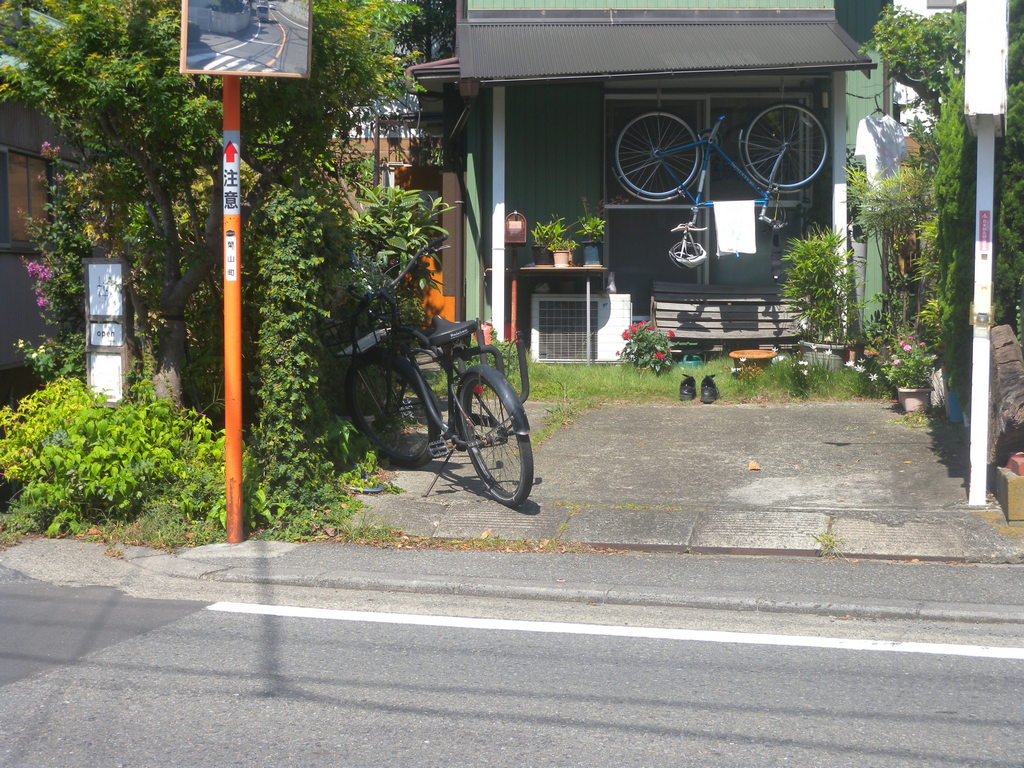
これでは車が入れない
駐車場の入り口に斜め

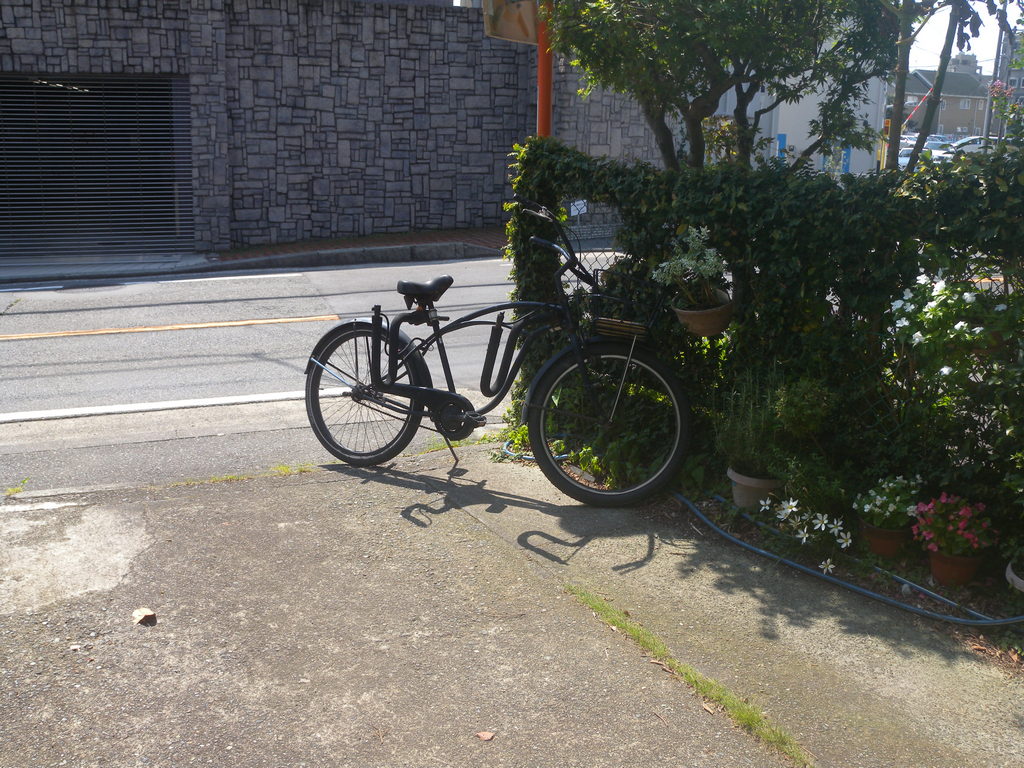
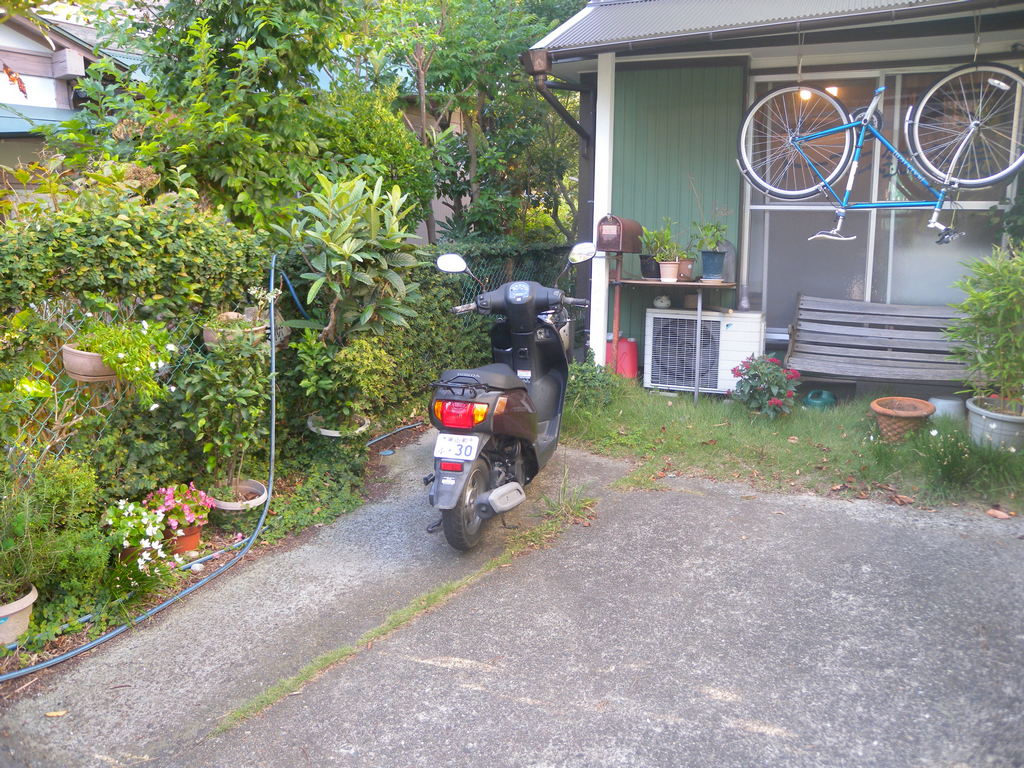
治療院の例。駐車場一台分しかない。治療室にベッド2台ある。従って、来院している人以外にもう一人がいるか/これから来るかもしれない。それなのに自転車(→写真)あるいは原付バイク(→写真)で来院してくる人は自分の自転車/バイクが他人/車が入れないように置く。

それは少々お粗末ではないかと思う。それとも・・・私はただ煩いのでしょうか。

これで治療院の出入り口も半分塞がってしまい、やはり車が入れない

Loading

Avian influenza / COVID

以下に日本語 / 英語 / ドイツ語を並記します。

Below I list an old article of mine in Japanese / English / German about avian influenza and my personal view of the virtues of moxibustion treatment. I believe, this also applies to the current COVID pandemic.

以下のリンクをたどれば更なる情報がある。
These links lead to more information.
Die folgenden Links führen zu Seiten mit weiterführenden Informationen.

http://www.cdc.gov/flu/avian/outbreaks/current.htm
http://www.who.int/csr/disease/avian_influenza/updates/en/index.html
http://www.shanghai.cn.emb-japan.go.jp/tori/index.html
http://www.wpro.who.int/health_topics/avian_influenza/

鳥インフルエンザ
 再び人類が顕微鏡でないと見えないほど小さな敵の攻撃に曝されている。その危険は決して侮ることが出来ないが,慌ててしまうと矢張り見えるものが見えなくなる。
 現時点では「特効薬」がないそうだ。鳥インフルエンザヴィールス自体も刻々と変化しつづけている。もし「特異的な」治療法がないようでしたら、数千年の実績を誇るべき治療法を一度視野に入れても損はないでしょう。
 お灸は「非特異的に」人間の免疫機能を活性させる事は、疑問を持てずほどはっきりと証明されているようだ。ならば、病気になるまで待って、それから果たして安全かどうかが不明な薬剤を投与することは余り賢くないと思う。そして現在市販されている新薬以外、商売の極めて上手の中国人はそれなりに高価な「特異的に効く漢方薬」を発売するのも時間の問題と予想する。SARSの時もそうでしたから。
 ならば、是非安価であって、それぞれ個人で自宅に実行出来るお灸をお奨めしたい。商売にはならないが、国民の健康が心配であれば、この方法を思い出してもらいたい。

zzzzzzzzzzzzzzzzzzzzzzzzzzzzzzzzzzzzzzzzzzzzzzzzzzzzzzzzzzzzzzzzzzzzzzzzzzzzzzz

Avian influenza
Again, mankind faces the threat of an enemy so small, that it can be seen only under the microscope. The danger of this disease definitely cannot be taken lightly, but panicking in the face of this threat will only impair cool judgement.
Currently there appears to be no “specific drug” to treat this disease. And the virus itself continously changes. If that is so, it may be a good idea at looking at available treatment forms that can look back on a tradition of several thousand years of successful treatment: moxibustion.
That moxibustion “non-specifically” activates the human immune function has by now be verified beyond doubt. So, waiting to get sick and then be treated with drugs of possibly questionable safety and efficacy, does not seem very wise to me. And in addition to the already commercially available modern drugs, I have no doubt that the Chinese with their wonderful capitalistic sense of business will shortly announce the successful development and marketing of a (probably not inexpensive) Chinese medicine specifically effective for this disease. I remember that this was the case with the SARS epidemic too.
Well, why not try the extremely cheap moxa therapy, that can be performed by anybody at home? This will certainly NOT generate any business, but if someone has an earnest interest in the health of the people, this is a therapy that deserves to be called to mind!

zzzzzzzzzzzzzzzzzzzzzzzzzzzzzzzzzzzzzzzzzzzzzzzzzzzzzzzzzzzzzzzzzzzzzzzzzz

Vogelgrippe
Wieder einmal sieht sich die Menschheit der Bedrohung durch einen Feind ausgesetzt der so klein ist, dass man ihn nur unter dem Mikroskop erkennen kann. Und obwohl die Gefahr beim besten Willen nicht leicht genommen werden darf, Aufregung im Angesicht dieser Gefahr kann das Urteilsvermögen beeinträchtigen.
Derzeit gibt es offenbar kein “spezifisch wirksames” Wundermittel gegen diese Krankheit. Außerdem ist der Virus in der Lage sich selbst ständig zu verändern und weiterentwickeln. Wenn dem so ist, könnte es durchaus eine gute Idee sein, sich auf Therapieformen zu beziehen, die auf eine mehrere Jahrtausende überstreckende Tradition wirksamer Behandlung zurückblicken können: zum Beispiel die Moxibustion.
Das die Moxibustion die menschliche Immunfunktion “nicht-spezifisch” stimuliert, ist inzwischen über jeden Zweifel erhaben nachgewiesen worden. Jetzt darauf warten, dass man krank wird, um sich dann mit modernen Medikamenten behandeln zu lassen, deren Sicherheit und Wirksamkeit nicht unbedingt erwiesen ist, scheint mir persönlich keine sehr weise Entscheidung zu sein. Außerdem würde es mich nicht wundern, wenn neben den bereits kommerziell erhältlichen modernen Medikamenten die Chinesen mit ihrem wunderbar kapitalistischen Sinn fürs Geschäft in Kürze mit einer “neu entwickelten und hochspezifisch wirksamen” (vermutlich auch nicht sehr billigen) chinesiche Medizin auf den Markt bringen. Ich kann mich daran erinnern, dass dies bei der SARS Epedemie auch so war.
Nun, warum dann nicht einmal die extrem billige und dabei gleichzeitig von Jedermann zu Hause durchführbare Moxibustion ausprobieren? Dies wird mit Sicherheit NICHT geschäftlich interessant sein, aber für Alle, die ernsthaft um die Gesundheit der Menschen besorgt sind, ist dies eine Therapieform, die einmal in Erwägung gezogen werden sollte!

Loading

Akupunktur ― Handwerk mit Tradition

Ursprünglich kam ich vor 26 Jahren auf der Suche nach einem Kyudo (japanisches Bogenschießen) Lehrer nach Japan, dem ersten und einzig bestimmten Abschnitt einer geplanten Weltreise. Aus der Reise ist inzwischen ein permanenter Aufenthalt mit “Kind und Kegel” geworden.

Ein starkes, seit 15 bestehendes Interesse für orientalische Philosophie, bildete die Motivation ca. 2 Jahre nach meiner Ankunft in Japan eine 3-jährige Fachausbildung in Akupunktur, Moxibustion und Shiatsu zu absolvieren, die nach einem Staatsexamen mit dem Erwerb der entsprechenden Lizenzen (insgesamt DREI) endet, um so aus Interesse einen Beruf (ich denke da an “Berufung”) zu machen. Anschließend verbrachte ich noch vier weitere Jahre mit “praktischen Studien” in einem großen Krankenhaus und habe seit ca. 10 Jahren eine eigene sehr kleine Praxis (eine der SEHR wenigen von westlichen Ausländern geleiteten).

Die japanische Form der Akupunktur im engeren Sinne kann sich auf eine etwa 1500-jährige Tradition berufen. Trotz der relativen geographischen Nähe hat dies zu nicht unerheblichen Unterschieden in der Entwicklung in China und Japan geführt. Da die Chinesen sich jedoch wesentlich besser zu verkaufen wissen als die Japaner, wird die Welt derzeit fast ausschließlich durch chinesische Konzepte beherrscht. Dabei werden nicht selten Konzepte und Techniken als TCM (traditional Chinese medicine) ausgeben, die anderweitig entwickelt wurden. Die chinesische Akupunktur verwendet wesentlich dickere Nadeln als die Japanische und viele Ausländer, auch wenn sie körperlich größer und robuster erscheinen als Japaner, lassen sich diese dicken Nadeln nicht so gern gefallen. Daher ist es wahrscheinlich auch kein Zufall, dass meines Wissens viele (die meisten?) Akupunkteure in Deutschland Nadeln japanischer Herstellung verwenden.

Die weniger bekannte Moxibustion bedient sich eines aus Beifuß gewonnenem Fasermaterials, dass zu kleinen Kegeln gedreht und auf der Haut verbrannt wird (inzwischen gibt es offenbar auch das Verb moxen” im Deutschen). Da dies natürlich zu (erwünschten!) Verbrennungen führt, sind diverse Firmen mit tausenderlei Produkten auf den Markt gekommen, bei denen es nicht zu Verbrennungen kommt. Das ist vielleicht auch nicht schlecht, meines Erachtens nach aber nicht „richtig”. Moxibustion ist eine Neubildung aus Moxa” (japanisch für Beifuß) und combustion” und wird als solche weltweit offenbar häufiger verwendet als der entsprechende chinesische Begriff.

Bei der Akupunktur werden bekannterweise dünne Metallnadeln (japanisch meist 0,018-0,24 mm, chinesisch 0,3-0,4 mm) durch die Haut in den Körper eingeführt (nicht bei kleinen Kindern). Die Metallnadeln wirken dort auf Nerven ein, wo sie zwar auch lokale Einflüsse ausüben, die “eigentliche” Wirkung jedoch hervorgebracht wird, indem Signale zum Gehirn gesandt, dort verarbeitet und andere Signale wieder zum Körper zurückgeschickt werden. Wenn Nerven ausgeschaltet werden, zum Beispiel durch Lokalanästhetika, gibt es auch keine Wirkung mehr. Ein weithin bekannter Mechnismus besteht in einer Stimulation der Produktion körpereigener morphinähnlicher Substanzen (Endorphine etc.), die ihrerseits schmerzlindernd wirken. Meinen Patienten erkläre ich die Wirkung der Nadeln immer gern so, dass die Nadeln in der Peripherie über eine Art Telefonleitung das Gehirn anrufen und dort die zuständigen Stellen dazu auffordern, Änderungen im „Körperprogramm“, „Straßenreparaturen“ oder „Fortbildungsseminare“ durchzuführen. Dies macht es oft verständlicher, warum eine Nadel im Fuß auf den Kopf oder den Rücken wirkt.

Die Moxibustion stimuliert zwar auch die Nerven, aber der eigentlich interessante Effekt wird durch die besagten Verbrennungen hervorgerufen. Diese führen zur thermischen Zerstörung von Zellen, so dass deren Inhalt freigesetzt wird. Obwohl es sich hier um körpereigenes Material handelt, befindet sich dieses nun nicht mehr wie vorgesehen innerhalb der Zellen. Damit wird ein Teil der normalen Immunabwehr aktiviert, der für den Abbau derartiger Produkte zuständig ist. Der gesamte Prozess ist eine Serie chemischer Reaktionen von in Wasser gelösten Substanzen. Diese verbleiben natürlich nicht am Ort der Verbrennung, sondern werden über weite Strecken durch den Körper transportiert, wo sie wiederum ihre jeweiligen Wirkungen hervorrufen. Daher werden die Wirkungen der Moxa Behandlung auch nicht durch Lähmungen oder dergleichen gestört und führen sekundär zu positiven Veränderungen der Immunlage.

(Hinsichtlich weiterer Einzelheiten möchte ich auf die Fachliteratur verweisen.)  

Orientalische Therapieformen werden oft als „balance medicine” bezeichnet, weil dabei angestrebt wird, angenommene oder auch tatsächlich vorhandene Ungleichgewichte zu korrigieren. Manchmal wird dieser Umstand auch, vielleicht leichter verständlich und moderner so ausgedrückt, dass die orientalische Medizin funktionelle nicht aber organische Störungen (z.B. Knochenbruch) beheben kann. 

Ich bin davon überzeugt, dass es sich hier im Sinne des Wortes um ein HAND-WERK handelt. Eine Arbeit die mit den Händen durchgeführt wird und die Funktion der Hände einfach nicht durch akademische Bemühungen (Kopfarbeit) ersetzt werden kann. Wahrscheinlich werden zahlreiche großartige Akupunkteure der Welt nie bekannt werden, weil sie nie etwas schreiben. Als Therapeuten sind diese jedoch vertrauenswürdiger als die zahlreichen Akademiker, die es eher im Kopf als in den Händen haben.

In einem zukünftigen Newsletter würde ich lieber, falls Bedarf besteht, konkrete Probleme besprechen, oder kann auch außerhalb des Newsletter über meine Webseite / Mail individuelle Beratung und Hilfe (soweit möglich) anbieten (www.einklang.com).

Translator as “Bookfinder”

In the not so distant past the military used scouts, sometimes also called “pathfinders” (Merriam Webster: path.find.er n (1840): one that discovers a way; esp: one that explores untraversed regions to mark out a new route — path.find.ing n or adj.), to find their way through unknown territory. Literally, these were people that could find a path not visible to anybody else. During a recent conference on translation, a certain question appeared in several different sessions: what actually is the job and/or function of a translator?

The answer to this question appears on first sight to be simple and obvious, but many of the attending translators and agencies presented widely varying definitions and concepts. This motivated me to write this little article and express an idea, I had for quite a while now. I.e., translators should also (or maybe even predominantly) be “bookfinders” in analogy to the above mentioned pathfinders. Below I will try to explain why.

I have been a translator for about 30 years and during this time spent nearly 100% of my working time with activities, involving the rendition of a certain meaning expressed in one language into another. Sometimes, in particular when the source text is of rather poor quality and/or ambiguous, this also involves a more less significant portion of text interpretation and re-writing. Nevertheless, the basic idea is always the same: change A into B. Very few, if any, people I happened to work with over the years have ever questioned or even challenged this view. This is simply considered to be the job and function of a translator.

Yet, if you are a translator for any specialized field, have a professional interest in extending your horizons, conduct a little research in your own or maybe even other fields of expertise, then you will certainly do some reading.

This puts the translator in a unique position. He/she is not only capable of professionally handling and evaluating two or more languages, but will be reading reference books on certain topics in these languages. Sometimes there are equivalents or even translations of certain valuable references, but most often not. Under these circumstances the translator can evaluate several books that might be worth translating from both linguistic and technical points of view.

I believe that a look at the currently available selection of translated books shows clearly, that the choices are definitely not always “professional”. They are made by publishers based on information and recommendations of sometimes questionable origin and mainly commercial considerations. This provides the general population with a selection of translated books influenced by a possibly biased and – naturally – profit orientated choice made by publishers. But this could also mean, that the average person has access only to a rather distorted view of the world.

Today, the internet offers access to the so-called information highway carrying more information with an incredibly short turnover time than anybody could ever handle. Yet, fast access to a terrifying amount of information could also block the view for the more distinct, practical, comprehensive and interesting information a book can provide. After all, reading should also be fun.

While access to the information highway may often prove to be very helpful, who would like to live in a house with the front door opening right onto the highway? Personally, I prefer the quiet small back roads. This is, where books come in. It takes much longer to publish a book than to publish and update a web site. Naturally, books are always somewhat “behind their time”, but that does not reduce their value.

For example, I am a native German living in Japan. I know of literally “uncountable” translations of German literature, science books etc. available in Japanese bookstores. Yet, whenever I visit Germany and wander through large bookstores, I can find at best a handful of Japanese books translated into German. A very illustrative little episode happened, when I visited the annual Tokyo International Book Fair a few years ago. There I asked a German publisher if they might be interested in the publication of translated Japanese books. The representative at that booth said: “No, why should we? Publisher XXX already has published two books.” This is hardly representative for a nation that publishes around ten thousand new books every year!

Thus, in spite of the omnipresent information highway and Japan being a superpower with a major impact on the world economy, intellectually it still remains largely uncharted territory (a sort of a black hole) for the people of other countries, because there is so little tangible (books that you can take in the hand in contrast to virtual material on the internet) information about it available. I firmly believe that the same situation also applies to quite a number of other countries.

Now, here is a field, in which translators could offer a real contribution to international understanding: selecting and recommending books worth of translation. The translator who recommends certain books might even do the entire translation. In many cases this would be not only be advantageous for the translator, but also the translation itself and thus the reader.

ご挨拶

私はきっと歳をとり過ぎたでしょう。
日本の良さの一つはご挨拶な気もするし、昔勉強しながら回りの先輩の先生方にもそのように仕込まれました。
以前にも触れたが、そういう先輩に「開業の際地域の同業者のご挨拶して来い」と言われました。
私は開業した際その通りご挨拶回りに行きました。
開業してから21年経っているが、その間ご挨拶回りに来た人はいません。

先日こちらの技術で対応出来ないため同(類)業者に患者を紹介し、治療を依頼しました。
「普通に」(医療者同士の間の礼儀)考えてしまえば、診察した後で、それなりの挨拶/報告があるのは常識な筈です。

・・・何もありませんでした。
同(類)業者だけではなく、整形外科医院もそういう事が何度もありました。

日本の良さを段々と廃止されるのは何とも言えない寂しい。
日本の良さを廃止して「他のもの」に置き換えているでしょうか。
その「他のもの」は何でしょうか。それなりの価値はあるでしょうか・・・・・

お客さんの裏切りか

別に「一位」になりたい訳ではありません。
しかし、「口コミサイト」ではお客さんの声次第に登録してあるお店のランキングが決まると信じていました。
実際は異なるようです。
私の所 PV:2556(今月ちょっと特別)
一位の所 PV:105
私の所 口コミ:69 (その時)
一位の所 口コミ:5
両方「無料プラン」
相互リンク: 私の所のみ
評価の点数もお客さんの意見を表すよりも、携帯電話の小細工に左右されるそうです。
(以前そのような回答頂きました。)

数多くのお客さんが折角貴重な意見を寄せたのに、それが「正しく」反映されないのはそのお客さんを裏切り行為ではないでしょうか。
お客さんはこのような事実を知っていれば、そう思うでしょうか。

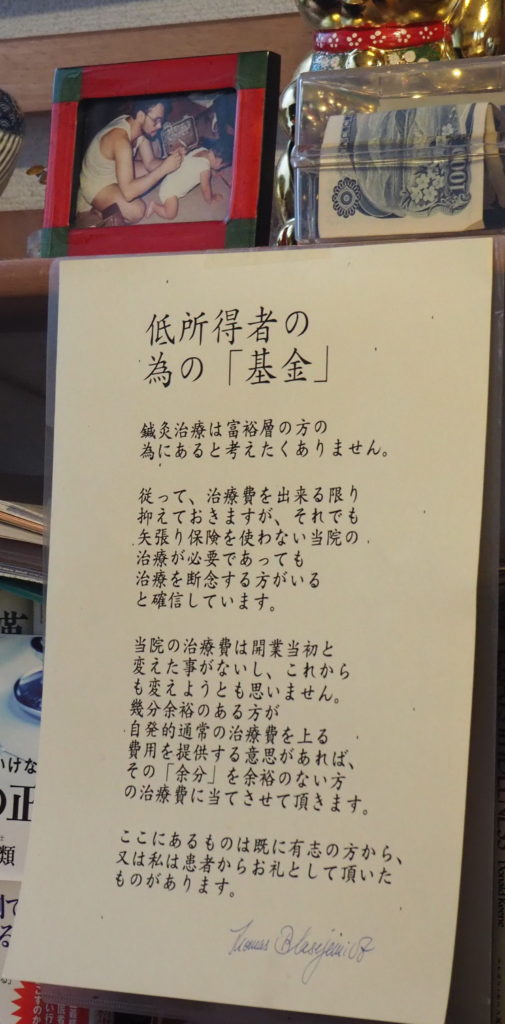
低所得者基金

低所得者のため

鍼灸治療(費)は現在(少なくとも都会の中とその近辺)8000-10000円程が当たり前の様です。それでは必然的富裕層の方しか治療受けられません。
私はそれをとても賛同出来ません。

当院では寛大な方がいて、意図的治療費より多く払って下さりました(既に2回ほど)。そのお金を「着服」する事も出来るかもしれないが、私と同じような低所得者の治療費を幾分軽減するために当てます。
理想論では本当に治療が必要な(低所得の)方に治療を無料で提供出来たら嬉しいが、残念ながら世の中は中々理想論通りにはならないが、希望をもって続けたい。

Breathing

Everybody does it – 24 hours a day – no big deal. 

YES, big deal! 

Breathing is essential to life. This is common knowledge. You can survive (only survive, not live) for almost 2 months without food, something like 7-10 days without water, but the brain tissue starts dying 3 minutes after oxygen supply has been interrupted. So, breathing is required for survival and everybody does it throughout life, without any interruption. What can be so special about that? 

Special is, that ALL healthy babies do it right, but only VERY FEW adults seem to capable of maintaining this skill. If you don’t think that this applies to you, well give it a (simple) try. 

Go some place where you (and some noise) won’t bother ordinary people (who might otherwise call the police and try to commit you to a lunatic hospital) and scream. Yes, that’s right: scream. With all the power you have and as long as you can do it. Most people I know will be very lucky, if they can keep screaming at the top of their voices for 10-15 minutes. After that your voice will start “fading”, because you get hoarse and later you may not be able to talk properly for days. 

THAT would be “normal” for most educated, civilized people. 

My eldest son, when he was about 6 months old, once managed to scream for a full 5 hours – with no apparent trouble. Neither during the screaming nor afterwards. Why? Because he was breathing correctly (which the mother did not like at all at the time!)

 Correct breathing would be the so-called abdominal breathing. Deep and slow, having your belly expand and retract. Textbooks on physiology give the normal respiratory rate (the number of inhalation and exhalation per minute) as 12-15 cycles, meaning a cycle of inhalation and exhalation takes 4-5 seconds. 

Personally I believe that is too fast. 

Too fast, excessive breathing may lead to “hyperventilation syndrome”, a condition were the victim may drop to the ground with uncontrollable spasms – like an epileptic. But these victims don’t have any brain lesions, they simply exhale too much carbon dioxide. This happens frequently in young girls that keep screaming during a rock concert. 

I advise my patients to attempt achieving a respiratory of 10, meaning 6 seconds per cycle. That may be far longer than you expect, when you try doing that while watching a clock. 

The deep breathing both provides you with more air than you would obtain during fast and shallow breathing and it reduces the amount of carbon dioxide you are venting into the air. That in turn raises the concentration of CO2 dissolved in the blood. And THAT has about the same effect as a mild tranquilizer! Here is reason why most meditating people appear to be so cool. 

So, if you are upset, anxious, cannot sleep etc. – try to slow your breathing as far as possible. 

Naturally, according to oriental thoughts correct breathing also provides your body with energy and power. The power that allows karate specialists to smash bricks and a tea master to prepare a cup of delicious tea. 

But this is something, I will write about next time.

ダイエット (減量)

翻訳の仕事関係でいつも深夜まで働いている(食事後暫く休憩を入れて)。
食事の際ビールやお酒少々でも飲めば、その場で眠たくなり、寝てしまう事が多い。
よって、深夜まで仕事して、「今日はこの辺まで・・・」と思ったら、お酒少々飲みながらぼーとしてテレビを見てから寝るのは習慣になった。お酒一杯は未だ許されるかもしれないが、飲みながら美味しいおつまみがないかを思いながら冷蔵庫を開けてしまうのはさいなんの始まり。

お陰様で2009年の7月に体重が三桁(100kg)まで増えた。行けないと思いながら「減量」する決心した。結局「先生」(前に生きる=模範)として患者に手本を示す使命があるはずなのに、自分は何もしない事は先生の失格にもなり得るでしょう。

そこで食べる量全体を少し減らし、深夜の酒も減らし(出来ればおつまみもなし)、そして再び好きな自転車を乗る事にした。今頃略毎日約一時間一所懸命に走っている。定番のコースは例えば治療院から江ノ島まで往復、それとも治療院からでも自宅からでも湘南国際村の山を越えるコース。

現時点(2010/11月)では体重は凡そ23 kg減った
「やれば出来るな」と自分でも思った。
この春に「第二ステージ」を挑戦してみたい:更に5-6kgを減らす。
成功すればやっと「正常の体重」領域に入る予定。

私のブログにもあり、そして読売新聞にも掲載されたことある。

「経済効果」:昨年四月から計三回通訳の仕事に出かけた。四月の段階は結構太ったので、技とお出かけ用の豪華の服をかったが、今現在それを着ればピエロのように見える。逆に、もう十年も前から刷けなかったズボンや切れなかったシャツまた入るようになった。片方は大損したと同時に儲けた所もあった。どちらがいいかが良く分からない。

もう少し頑張る。

これは長男の成人式:6年前。その後またかなり太った。                                                                2010年。三男の成人式の時。

2009年の4月にとく大サイズの専門店で購入したズボン。仕事(お出掛け)ように買った。買った当初にはちゃんとフィットしたんですが、約10ヶ月経って凡そ21kg減量して、復周りも20cm余り縮小してきた。

高いズボンは合わなくなってきたが、その代わり20年間刷けなかったズボン今普通に使っている・・・