Category: Opinion

様々な意見・異見。

Translator as “Bookfinder”

In the not so distant past the military used scouts, sometimes also called “pathfinders” (Merriam Webster: path.find.er n (1840): one that discovers a way; esp: one that explores untraversed regions to mark out a new route — path.find.ing n or adj.), to find their way through unknown territory. Literally, these were people that could find a path not visible to anybody else. During a recent conference on translation, a certain question appeared in several different sessions: what actually is the job and/or function of a translator?

The answer to this question appears on first sight to be simple and obvious, but many of the attending translators and agencies presented widely varying definitions and concepts. This motivated me to write this little article and express an idea, I had for quite a while now. I.e., translators should also (or maybe even predominantly) be “bookfinders” in analogy to the above mentioned pathfinders. Below I will try to explain why.

I have been a translator for about 30 years and during this time spent nearly 100% of my working time with activities, involving the rendition of a certain meaning expressed in one language into another. Sometimes, in particular when the source text is of rather poor quality and/or ambiguous, this also involves a more less significant portion of text interpretation and re-writing. Nevertheless, the basic idea is always the same: change A into B. Very few, if any, people I happened to work with over the years have ever questioned or even challenged this view. This is simply considered to be the job and function of a translator.

Yet, if you are a translator for any specialized field, have a professional interest in extending your horizons, conduct a little research in your own or maybe even other fields of expertise, then you will certainly do some reading.

This puts the translator in a unique position. He/she is not only capable of professionally handling and evaluating two or more languages, but will be reading reference books on certain topics in these languages. Sometimes there are equivalents or even translations of certain valuable references, but most often not. Under these circumstances the translator can evaluate several books that might be worth translating from both linguistic and technical points of view.

I believe that a look at the currently available selection of translated books shows clearly, that the choices are definitely not always “professional”. They are made by publishers based on information and recommendations of sometimes questionable origin and mainly commercial considerations. This provides the general population with a selection of translated books influenced by a possibly biased and – naturally – profit orientated choice made by publishers. But this could also mean, that the average person has access only to a rather distorted view of the world.

Today, the internet offers access to the so-called information highway carrying more information with an incredibly short turnover time than anybody could ever handle. Yet, fast access to a terrifying amount of information could also block the view for the more distinct, practical, comprehensive and interesting information a book can provide. After all, reading should also be fun.

While access to the information highway may often prove to be very helpful, who would like to live in a house with the front door opening right onto the highway? Personally, I prefer the quiet small back roads. This is, where books come in. It takes much longer to publish a book than to publish and update a web site. Naturally, books are always somewhat “behind their time”, but that does not reduce their value.

For example, I am a native German living in Japan. I know of literally “uncountable” translations of German literature, science books etc. available in Japanese bookstores. Yet, whenever I visit Germany and wander through large bookstores, I can find at best a handful of Japanese books translated into German. A very illustrative little episode happened, when I visited the annual Tokyo International Book Fair a few years ago. There I asked a German publisher if they might be interested in the publication of translated Japanese books. The representative at that booth said: “No, why should we? Publisher XXX already has published two books.” This is hardly representative for a nation that publishes around ten thousand new books every year!

Thus, in spite of the omnipresent information highway and Japan being a superpower with a major impact on the world economy, intellectually it still remains largely uncharted territory (a sort of a black hole) for the people of other countries, because there is so little tangible (books that you can take in the hand in contrast to virtual material on the internet) information about it available. I firmly believe that the same situation also applies to quite a number of other countries.

Now, here is a field, in which translators could offer a real contribution to international understanding: selecting and recommending books worth of translation. The translator who recommends certain books might even do the entire translation. In many cases this would be not only be advantageous for the translator, but also the translation itself and thus the reader.
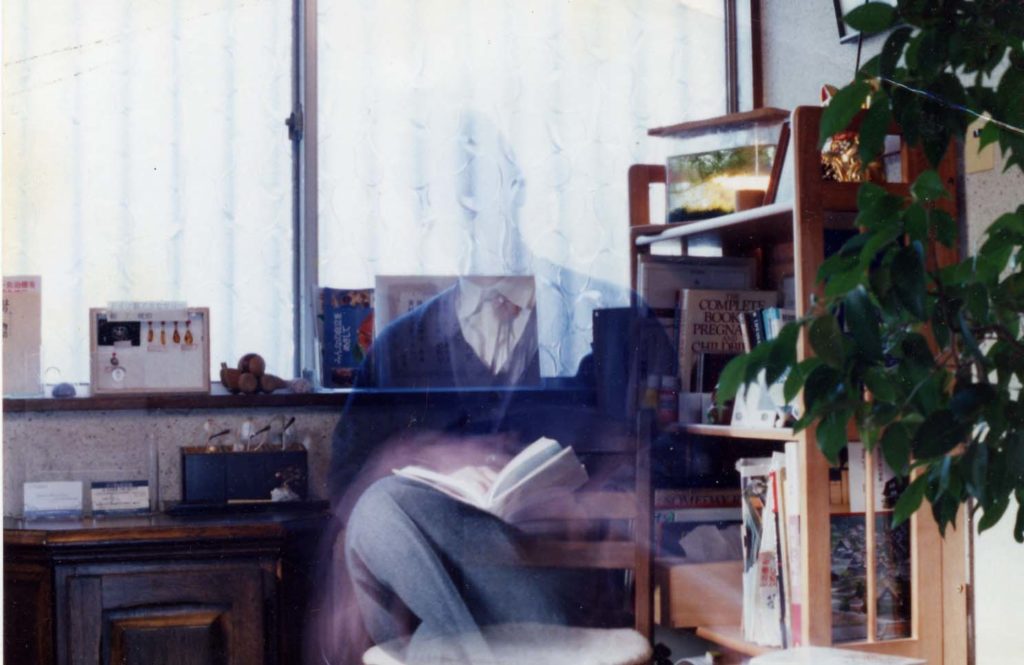
瞬間移動の練習中

治療院に座って本を読んでいる状態から瞬間移動に「旅立った」瞬間。姿はまだ見えているが、既に半分消えているが、体を透き通て体の後ろにあるものが見える。
もう少し修行すると宇宙を旅出来るかなあ・・・

Teleportation practice

Sitting in my practice reading a book I am practicing teleportation. On this picture I have already started to leave, but while my figure is still visible, so are the things that were located behind my back.
With another 200 years of practice I hope to be able to do interstellar travel ….

(There is nice, rather old science fiction novel about this, called “Tiger! Tiger!”)

感染症

「感染症」は今もっぱら「新型コロナウイルス」と連想されるものです。しかし、感染症は地球に生命体が発生して以来からあります。従って、歴史を通してすべての文化圏や時代は常に感染症との闘いでした。
 当然今のような合成新薬やワクチンはありませんでした。対象方法はいわゆる伝統療法でありました。その方法は必ずしも有効ではなかったため、今まで「医者より養生」の概念が重視されました。
 東洋医学の古典の一つ=「傷寒論」(2000年ほど前の書物)は正にあらゆる感染症の治療=漢方薬を詳細に述べています。しかし、これは既に感染症になって、どのような薬物治療をすればよいかの話です。
魔法の解決策ではないが、私は鍼灸師としてちゃんとしたお灸を何より先に勧める。しかし、「今風の人々」は「お灸?????」とまず嫌がるでしょう。


 お灸は誰でも、何処でも他の治療より安く出来るものだ。一度考える価値は十分あるだと思う。
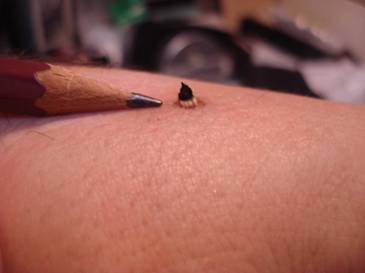
 旧式のお灸では皮膚に小さな火傷を作ります。火傷のため自分の細胞が幾つか壊れ、出てしまう細胞の内容が自分の免疫機能で「異物」として認識されているから、免疫機能が活性化され、その異物を処理するようになります。
もうおよそ100年前にこのようなお灸は結核に対してどのようか効果があるのか原志免太郎先生が研究し、その科学的根拠を究明した。つまり、お灸は免疫力を増加することに関する科学的論文は既に一世紀まえからある。
https://ja.wikipedia.org/wiki/%E5%8E%9F%E5%BF%97%E5%85%8D%E5%A4%AA%E9%83%8E

この原先生の研究に上記の研究に基づいて電気も水も通っていないアフリカで***簡単に出来るお灸***を進めているNPOプロジェクトを設立し(日本のレガシィを伝えるのはイギリス人です!)、現地でお灸で結核の治療を進めている:
https://www.moxafrica.org/

私は取り敢えず正体不明のワクチンや薬よりお灸を選択する。

相変わらず「妙なチャンス」

去年の5月にブログに 「妙なチャンス A strange “chance” 」と言う短い文章を投稿した。即に同業者から怒られた。
しかし、ニュースを支配している「パンデミック」が未だに消えそうもない。医療現場は所々で危機的状況にあると報道される。
当院に来ている患者の中にあらゆる病気の関係で医者に行ってもらいたいが、帰って来る返事は:病院に行くのは怖い(から行かない)。
別に当院は「安全」とは言えないが、患者の数が非常に少ないから、大半の場合「個室」(他の患者がいないから)で治療してもらえるから、患者にとって好ましい事。
それに - それは今のコロナ感染と関係ない - 医療施設(それは整骨院、接骨院を含む)に行くと診察は分単位、酷い場合(例えば耳鼻科で)秒単位で終わってしまう。医者は良くPCの画面を見ながら「あなたは〇〇病気」と言い、薬を処方し、患者を返してしまう。
病院の帰りに来院する人もいる。その人達は良く「先生、〇〇病気ってなに?」と聞かれる。本来その病気の説明や薬以外の対象方法を説明するのは医者の仕事がと思うが、結局こちらに押し付けられる。
結果として、僕の治療院に来る人の7-8割は単に「肩凝り」や「腰痛」のため局所に鍼をして貰いたいから来るのではなく、病気に関する悩み/質問、人生相談も求める。私は愚かで無知ですから治療「タイマー10分でチン、はい、次の方」方式の治療できない。昔風患者→患っているの話をゆっくり聞いて、一応東洋風全身を治療対象にするから、治療時間はどうしても長くなる。治るか治らないかは然程関係ないが、時間を掛けて「診てもらった」事に関する満足度は普通の病院と異なると患者から聞いた事ある。

そう言う意味では当院で受診する事は題名の通り:「妙なチャンス」

Japanese products first — 棒灸:かびてよかった・・・

通常の棒灸=中国製は過去20数年間を使って、今まで一度も疑問を持たなかった。中国製の物はその間一度もかびた事がない。しかし、考えてみればそれは非常に可笑しいことだと昨年メーカーに問い合わせた際で頂いた説明で悟った。家(治療院)では夏になると壁、ゆか、衣服、本、(食材勿論)全てかびる。中国製の棒灸***だけ!***がかびない。その妙な現象が現れるために、艾の中に何か極めて毒性の強いものを入れてある事を疑わざるを得ない。日本製の商品は防腐剤など混入されていないから、***ちゃんと***かびる。変な話ですが、帰ってありがたい事だ(った)。
今まで気づかなくて恥ずかしいで、私は如何にも未熟である事を証明しています。

お蔭様で今後 “Japan first” ではないが、Japanese products first の治療方針を取りたいと思う。得体の知りえない中国製商品は責任をもって患者に仕えないでしょう。
日本のメーカーにお願いです:是非とも品質の良い、誇りを持てる Japanese quality 作って下さい。お灸を施す鍼灸師が段々と少なくなる中でそのような商品は大変貴重な存在です。カビの対策として商品に防腐剤など混入させないで、注意書き位箱に入れてください。

ご挨拶

私はきっと歳をとり過ぎたでしょう。
日本の良さの一つはご挨拶な気もするし、昔勉強しながら回りの先輩の先生方にもそのように仕込まれました。
以前にも触れたが、そういう先輩に「開業の際地域の同業者のご挨拶して来い」と言われました。
私は開業した際その通りご挨拶回りに行きました。
開業してから21年経っているが、その間ご挨拶回りに来た人はいません。

先日こちらの技術で対応出来ないため同(類)業者に患者を紹介し、治療を依頼しました。
「普通に」(医療者同士の間の礼儀)考えてしまえば、診察した後で、それなりの挨拶/報告があるのは常識な筈です。

・・・何もありませんでした。
同(類)業者だけではなく、整形外科医院もそういう事が何度もありました。

日本の良さを段々と廃止されるのは何とも言えない寂しい。
日本の良さを廃止して「他のもの」に置き換えているでしょうか。
その「他のもの」は何でしょうか。それなりの価値はあるでしょうか・・・・・

Politeness in the digital age

I am registered in many sites pertaining to translation and interpretation. From one related to interpretation I got the following message in the afternoon. The job would have to be done the next day.

“New message from XXX XXX via interpreters.travel
Automotive world 2019 , tokyo big sight
January 17 (10:00 – 18:00)”

That is all. No “please” or “are you available”, “could you help us out” … nothing.
Just “Tomorrow. Be there!”
Naturally, I reclined the “job offer”.
Is this the style of American, Chinese, Russian or other mafia like people.
Or is this now considered to be the “new standard” of politeness in the digital age?

お客さんの裏切りか

別に「一位」になりたい訳ではありません。
しかし、「口コミサイト」ではお客さんの声次第に登録してあるお店のランキングが決まると信じていました。
実際は異なるようです。
私の所 PV:2556(今月ちょっと特別)
一位の所 PV:105
私の所 口コミ:69 (その時)
一位の所 口コミ:5
両方「無料プラン」
相互リンク: 私の所のみ
評価の点数もお客さんの意見を表すよりも、携帯電話の小細工に左右されるそうです。
(以前そのような回答頂きました。)

数多くのお客さんが折角貴重な意見を寄せたのに、それが「正しく」反映されないのはそのお客さんを裏切り行為ではないでしょうか。
お客さんはこのような事実を知っていれば、そう思うでしょうか。

me-byoセミナー

https://www.pref.kanagawa.jp/docs/cz6/me-byokaizen/index.html

* 類似の文章は以前神奈川県鍼灸師会に送りましたが、この度神奈川県の担当部署と思われる所に送った。返事きたり、何かが変わる事はこないでしょうが、
自己満足のため声をあげさせてもらいます。

拝啓
私は神奈川県葉山町で鍼灸院を営んでいるドイツ人鍼灸師ですが、過去30年以上翻訳業務が生活の基盤でした。
先日神奈川県鍼灸師会から会員宛ての「me-byoセミナー」の案内を頂きました。もう既に数年前から神奈川県がこの「活動」に取り組んでいるようですが、この際一言を言わせて頂きたいと思います。
“me-byo(u)” は無論「未病」の事を刺すはずでしょう。であれば、ちゃんと品のある日本語を使うべきだと確信しています。現代の日本人は常用漢字の「未病」はもう読めないようでしたら、せめてひらがなにしてください。
私の様に方事の日本語が辛うじて分かる外国人は「byo(u)」(書き方も又様々)が「病」 = disease を指しているだろうと悟でしょう。しかし、わざわざ横文字をつかって”me” を足して、しかもハイフンで “byo” と繋いでいると、当然 me = 私だと解釈します。つまり、方事しか日本語を話せない外国人が医者に行って、”me-byo” と言ったら、「俺が病気だぜ」と言っているような意味になります。
そもそも「未病」は一つの単語=概念です。ハイフンの出る幕はありません!そこでハイフンを使うと compound noun のようなものをさしています。 例えば: ”six-pack” や “up-down” 等の言葉。
そして日本語の読み方はどうして “me” になるでしょうか。「未定」や「未婚」は横文字で ”metei” か “mekon” で書くのでしょうか。日本語の発音「め」は横文字で “me” になります。日本語のローマ字表記は中学一年生で習うと聞いています。(辞書によって書き方も又色々と異なる)
お言葉は大変悪いから申し訳ないとおもいますが、そのような意味不明な言葉遣い/造語を使うと、日本人/日本を世界の前で笑いものしてしまう事になります。まるで団体旅行客が「私達は馬鹿です」と書いてある大きなバチを胸に付けているような感じです。(唯一の救いは、外国人がこのような不適切な日本語を殆ど見たり、聞いたりはしません。”Goto Travel” で日本人を恥さらしにするのは別かもしれません。)

数千年も前から常識として伝えられた概念にやっと目が覚めている現代医学(+行政)を褒めるべきでしょうが、攻めてちゃんとした、品のある日本語でやっていけないのでしょうか。お願いいたします。

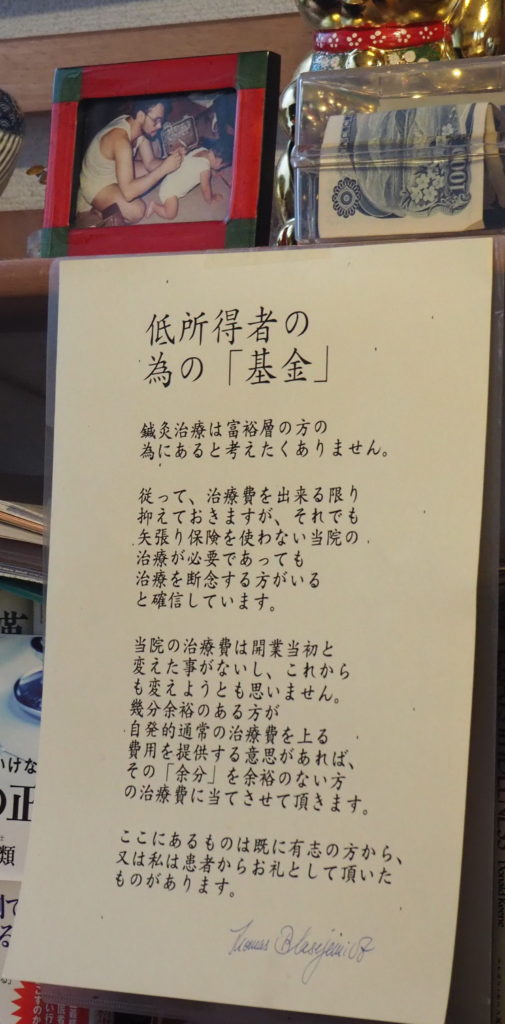
低所得者基金

低所得者のため

鍼灸治療(費)は現在(少なくとも都会の中とその近辺)8000-10000円程が当たり前の様です。それでは必然的富裕層の方しか治療受けられません。
私はそれをとても賛同出来ません。

当院では寛大な方がいて、意図的治療費より多く払って下さりました(既に2回ほど)。そのお金を「着服」する事も出来るかもしれないが、私と同じような低所得者の治療費を幾分軽減するために当てます。
理想論では本当に治療が必要な(低所得の)方に治療を無料で提供出来たら嬉しいが、残念ながら世の中は中々理想論通りにはならないが、希望をもって続けたい。